
Trust Is Currency in 2026: Build Credibility Fast
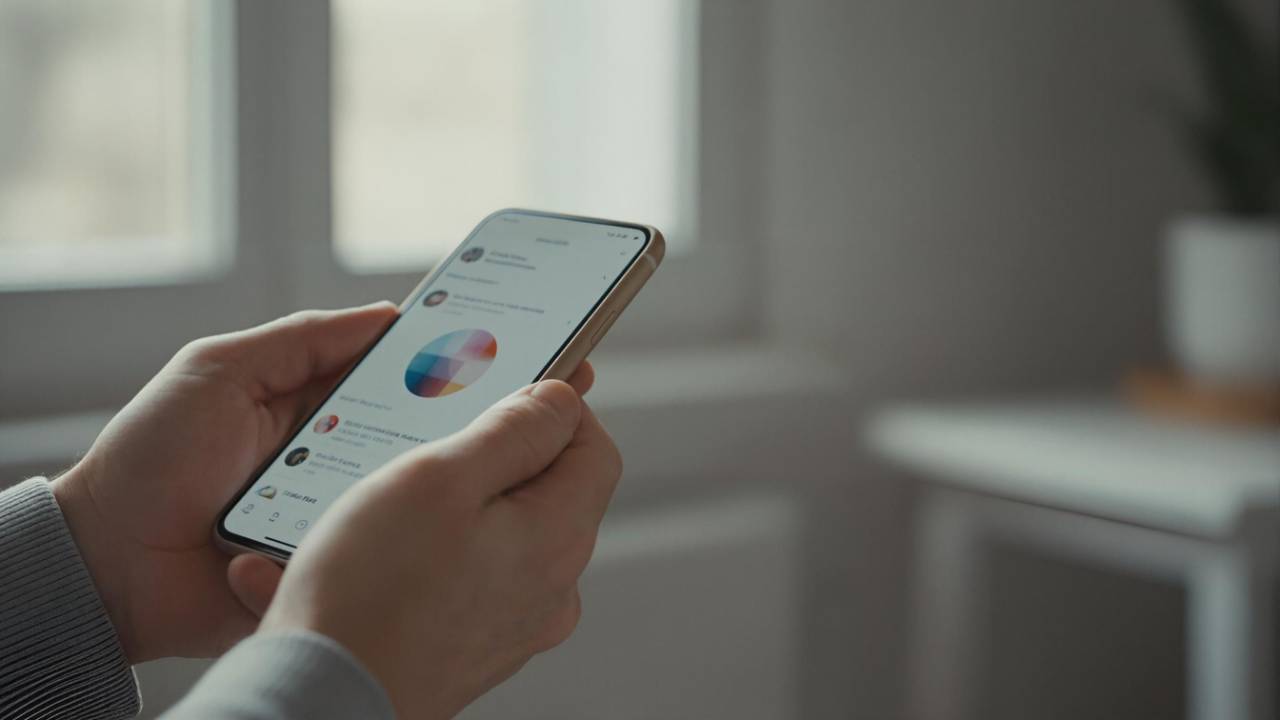
Trust Is the New Currency in 2026: How to Build It in the Age of AI and Misinformation
In 2026, the rarest resource will no longer be attention; it will be trust.
In an era where content can be created at lightning speed and often appears convincingly real, our greatest challenge is discerning what is genuine and identifying trustworthy sources amid the chaos. Rather than asking, "Is this interesting?" people are increasingly questioning, "Is this real, and can I trust this?" This paradigm shift impacts our relationships, business interactions, and everyday decision-making.
WHY TRUST IS SCARCE NOW
For a long time, the internet felt like a vast library of information. Still, it now resembles a noisy street market, with countless voices vying for attention, making it challenging to identify genuine products or ideas. The main issues we face in establishing trust include:
- Volume: The sheer quantity of content makes a comprehensive evaluation nearly impossible.
- Speed: Information spreads so quickly that there's little time for proper verification.
- Emotion: Content that elicits strong emotional responses often gets amplified, regardless of its truth.
This content overload leads many to simplify their decision-making processes, relying on shortcuts such as group identity or perceived confidence over meticulous evaluation. A few lies don't easily break trust; instead, it fades away because of constant uncertainty and exhaustion.
UNDERSTANDING THE COST OF LOW TRUST
Low trust carries high costs, financial, mental, and emotional. As trust wanes, individuals become more cautious, second-guessing their decisions and over-researching, rendering them more susceptible to manipulation in their search for certainty.
In business contexts, low trust creates hurdles. It requires stronger proof and more credibility signals, while in personal relationships, it turns casual conversations into interrogations. Physiologically, a lack of trust can create tension, hindering clear thinking. Thus, trust is not just a luxury; it's a fundamental element. When it deteriorates, everything becomes more complicated and expensive.
THE IMPACT OF AI ON TRUST
AI is revolutionising not only productivity but also the essence of credibility. Previously, emphasis was placed on who had a platform to voice their opinions. Now, it revolves around identifying authenticity and consistency over time.
This evolution suggests that trust has become a form of social capital in its own right. Although people may follow fewer sources, their engagement with those deemed reliable deepens. The creators and brands experiencing the fastest growth aren't necessarily the loudest; instead, they consistently exude reliability.
BUILDING TRUST TODAY
Trust acts like currency, and it's worrying how many people are carelessly spending it, valuing quick engagement over credibility and sensationalism over clarity. Here are some tips to build trust:
- Be Honest: Maintain transparency by meaning what you say and saying what you mean. Consistency fortifies integrity.
- Clarify: Clearly differentiate between objective facts and subjective interpretations. A straightforward "this happened" should not automatically lead to an unfounded interpretation of "this means..."
- Be Transparent: Provide insight into your sources and the rationale behind your conclusions.
- Stay Calm: Resist the temptation to sell anxiety as urgency or use outrage as a form of righteousness.
- Maintain Coherence: Stay consistent with your message, even when faced with opposing views.
Conversely, trust erodes when:
- You make unsupported absolute statements.
- You imply possessing exclusive knowledge to seem unique.
- You shift your narrative when challenged.
- You chase virality by inciting fear, shame, or anger.
ENHANCING PERSONAL EPISTEMIC HYGIENE
To succeed by 2026, it's essential to focus on your "belief management." This concept of epistemic hygiene is about nurturing a healthy relationship with the truth through simple habits:
- Trust primary sources when it matters.
- Use moments of outrage to verify information before sharing impulsively.
- Document your reasoning for beliefs, not just the beliefs themselves.
- Learn to say, "I don't know yet," without feeling powerless.
Adopting this approach won't lead to cynicism; instead, it can liberate you.
Ultimately, trust must be earned and maintained. The most important relationship is with yourself, not the internet or external sources. When you trust your judgment, you become less dependent on external validation. You stop equating intensity with truth and avoid using information just for entertainment, which can lead to stagnation.
With trust being the new currency, it's vital for building strong relationships, developing successful businesses, and maintaining mental well-being amid misinformation. Those who prioritise trust will be better equipped to thrive in this rapidly changing environment.
© 2026 Shamala Tan
Author

Shamala Tan
Hello! I am Shamala Tan. My clients call me the chiropractor for the soul because it is what I do best. I align my clients with their body, mind and soul. The end game – to live more purposeful lives.
Download the FREE guide: From Triggers To Truth
Recent Posts
Categories
All Categories